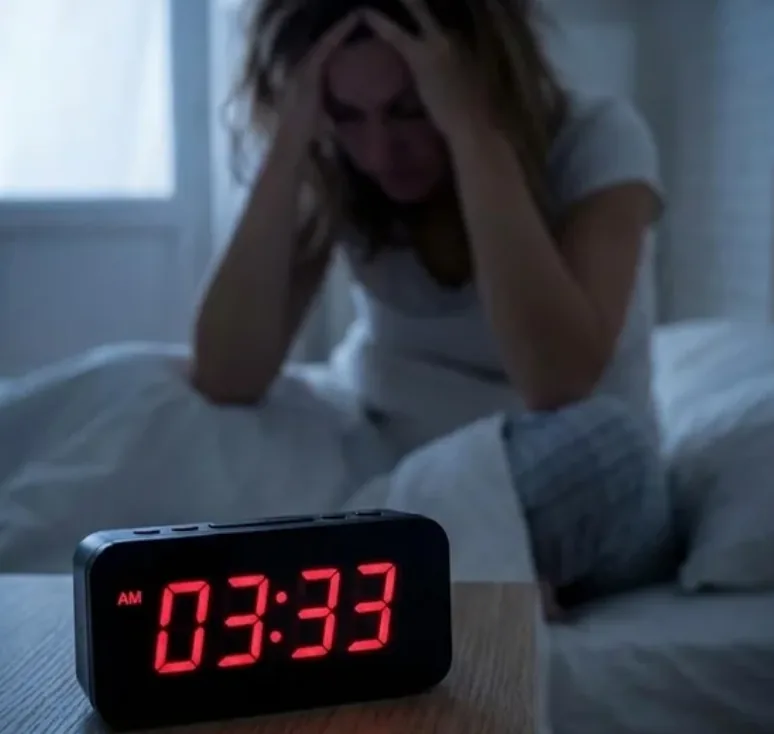
For ten years, 3 a.m. was not the middle of the night for Ms. Zhang — it was the hour she gave up trying.
Before retirement, Ms. Zhang taught Chinese at a middle school in Chongqing and stood at the front of a classroom for more than thirty years. The years after retirement were supposed to be gentle ones — grandchildren, quiet mornings, time to herself. Instead, insomnia pulled her into a deep well.
"At first it was just difficulty falling asleep. Then I began waking early. Later I would lie with my eyes open all night, waiting for dawn," she recalled. At her worst, she slept only one or two hours a night, and even that sleep was so shallow that the slightest sound woke her.
Years of sleep deprivation left her dizzy and palpitation-prone during the day, her memory deteriorating sharply, her emotions fragile. "I tried everything — half a sleeping pill became two, I drank sacks of Chinese herbal medicine, I tried melatonin, sleep aids, white noise. Everything that could be tried, I tried."
What tormented her most was the psychological change. Every afternoon around four or five, as the light began to fade, she would grow tense, her heart would race, her palms would sweat. "I was afraid of the dark. I was afraid of lying in bed with that wakefulness that turns into despair," she said. "I felt utterly helpless, like being locked in a dark room with no exit."
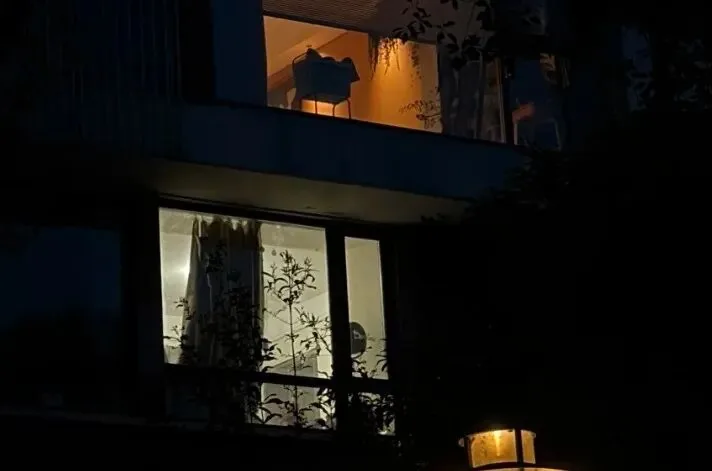
"I was afraid of the dark" — as evening approached, her heart would race and her palms would sweat.
Her family took her from hospital to hospital. The diagnosis: intractable chronic primary insomnia with an anxiety state. The more sleeping pills she took, the less they worked — and tolerance and dependence set in. At her lowest point she wondered: "Will I ever sleep well again in this life?"
A Turning Point: Meeting Director Li Xunjun
Then her daughter came across an online explainer by Director Li Xunjun of the Neurology Department at Chongqing HYGEIA Hospital, describing a technique called anesthesia-assisted sleep induction and balance therapy. With one last hope, they came to HYGEIA.
Director Li took a detailed history and reviewed her medication use, then arranged a polysomnography (sleep study). The results were stark: her total sleep time was severely insufficient, her sleep architecture was fragmented, deep sleep (slow-wave sleep) had almost disappeared, and REM sleep was severely disrupted — the classic picture of a disordered sleep-wake pathway.
"Director Li, can I still be cured?"
Director Li explained patiently: "Your insomnia is no longer simply 'not being able to sleep.' It is a vicious cycle — long-term insomnia leads to pre-sleep anxiety, which drives sympathetic overactivation, which causes worse insomnia. Ordinary sleeping pills only suppress the brain; they do not repair the sleep architecture. We need a method that helps you rebuild a normal sleep cycle."
What he recommended was anesthesia-assisted sleep induction and balance therapy.
What Is Anesthesia-Assisted Sleep Induction and Balance Therapy?
Director Li explained that the therapy is performed under continuous monitoring by an anesthesiologist. A sub-anesthetic dose of sedative medication — primarily propofol and dexmedetomidine — is delivered by intravenous infusion, while EEG and vital signs are monitored in real time, inducing a biomimetic sleep that helps repair the disordered sleep-wake pathway.
"Simply put, it uses medication to simulate natural sleep and helps the brain relearn how to sleep," Director Li said. "It is like a frozen computer: force a restart, and restore the factory settings."
Five Advantages Over Conventional Treatment
- Fast onset, short course: a single session lasts about two hours, and a standard course is usually three consecutive days.
- Low risk of dependence: short-term intravenous sub-anesthetic dosing is rapidly metabolized and does not create sustained dependence. It can also help long-term oral hypnotic users reduce or stop their medication.
- Monitored throughout, safe and controllable: an anesthesiologist is present for the entire procedure, with EEG and vital-sign monitoring.
- Anxiety improves at the same time: by reducing sympathetic activation, it relieves anticipatory bedtime anxiety and is particularly effective for paradoxical insomnia.
- Combinable with other treatments: it can be combined with stellate ganglion block, cognitive behavioral therapy for insomnia (CBTI), and physical therapy to consolidate long-term results.
Who Is It For?
- Intractable chronic primary insomnia (three months or longer, with poor response to standard oral hypnotics, tolerance, or difficulty reducing the dose)
- Paradoxical insomnia (the patient feels they never sleep, while polysomnography shows sleep is present)
- Insomnia accompanied by a significant anxiety state
- Insomnia with dependence on sleeping pills
- PTSD-related sleep disturbance
The Treatment: "Like a Sleep SPA"
The goal of the three-day course was not sedation, but a sleep architecture her brain could rebuild on its own.
Ms. Zhang still remembers her first session. "Director Li and the anesthesiologist stayed beside me the whole time. I had all these monitoring leads on, but I wasn't nervous at all," she said. "The medication moved slowly into the vein, my eyelids grew heavier and heavier, and then I knew nothing more."
Two hours later, she was gently woken. "The feeling was extraordinary — not the irritation of being woken by an alarm, but the freshness of waking naturally after sleeping your fill," she recalled. "I can't remember how many years it had been since I felt that."
After three consecutive days of treatment, her sleep changed beyond recognition. "The first night at home, I fell asleep in less than half an hour," she said. "The second and third nights, the sleep grew deeper and longer."
Reborn: From Dreading Nightfall to Looking Forward to It
Today Ms. Zhang has stopped sleeping pills entirely. She sleeps six to seven hours a night, with adequate deep sleep, and is full of energy during the day.
"Now I'm not afraid of the dark — I look forward to it," she said with a smile. "Because I know I'll sleep well tonight, and maybe even have a lovely dream."
She has taken up her pre-retirement hobbies again — reading, calligraphy, growing flowers. She recently enrolled in a traditional Chinese painting class at a senior university. "When I wasn't sleeping, I had no interest in anything. Now that I sleep well, life has flavor again."
"Now I'm not afraid of the dark — I look forward to it. Because I know I'll sleep well tonight, and maybe even have a lovely dream."
Insomnia Is Not Something to "Tough Out"
Director Li notes that patients with intractable insomnia like Ms. Zhang are far from rare. Many people assume insomnia is a small problem — something to endure, or something a sleeping pill will settle. In reality, chronic insomnia seriously damages physical and mental health:
- It increases the risk of anxiety and depression.
- It leads to reduced immunity and endocrine disruption.
- It raises the risk of hypertension, diabetes, and cardiovascular and cerebrovascular disease.
- It accelerates cognitive decline.
"If insomnia persists for more than three months and standard oral hypnotics are not working, I would advise seeing a neurologist as early as possible," Director Li said. "Anesthesia-assisted sleep induction and balance therapy offers a new option for patients with intractable insomnia — especially those dependent on sleeping pills, those who struggle to reduce their medication, and those with coexisting anxiety."
He stressed that the technique must be performed under the supervision of a professional anesthesiologist, with continuous EEG and vital-sign monitoring, which keeps it controllable in terms of safety. It should also be combined with CBTI and physical therapy after treatment to consolidate long-term results and reduce relapse.
If You Are Losing Sleep, Do Not Carry It Alone
If you or a family member is struggling with insomnia, please do not simply endure it. Seek professional help early — the next person to reclaim a good night's sleep could be you. The Neurology Department of Chongqing HYGEIA Hospital focuses on the diagnosis and treatment of sleep disorders, and can help you find your lost dreams again.
Expert Profile
Director Li Xunjun
Neurology Department, Chongqing HYGEIA Hospital (HYGEIA Healthcare)
Director Li Xunjun leads the Neurology Department at Chongqing HYGEIA Hospital, specializing in sleep disorders, intractable insomnia, and insomnia complicated by anxiety. His team uses polysomnography to characterize sleep architecture before designing individualized treatment, including anesthesia-assisted sleep induction and balance therapy delivered under anesthesiologist supervision, combined with stellate ganglion block, CBTI, and physical therapy for long-term consolidation.
Unable to Sleep — or Afraid of the Night?
HYGEIA Healthcare's international patient team can connect you with neurology and sleep medicine specialists across our hospital network, and help arrange remote consultation, visa, travel, and interpretation.
Book a Consultation— Chongqing HYGEIA Hospital, HYGEIA Healthcare —
← Back to News