The Hidden Danger: 3 Years of "Pharyngitis" That Was Actually Cancer
Three years ago, Mr. Li (pseudonym), a 60-year-old man from Xi'an, began experiencing persistent hoarseness. Like most middle-aged people, he dismissed it as ordinary chronic pharyngitis — a minor inflammation that would clear up with rest and over-the-counter remedies. He self-medicated and carried on with life. But the disease was quietly advancing.
By early 2026, the symptoms had escalated dramatically. His voice became noticeably more hoarse, and he started feeling a distinct sensation of obstruction when swallowing. Alarmed, he came to Xi'an Chang'an Hospital — a HYGEIA Healthcare facility — for a thorough examination.
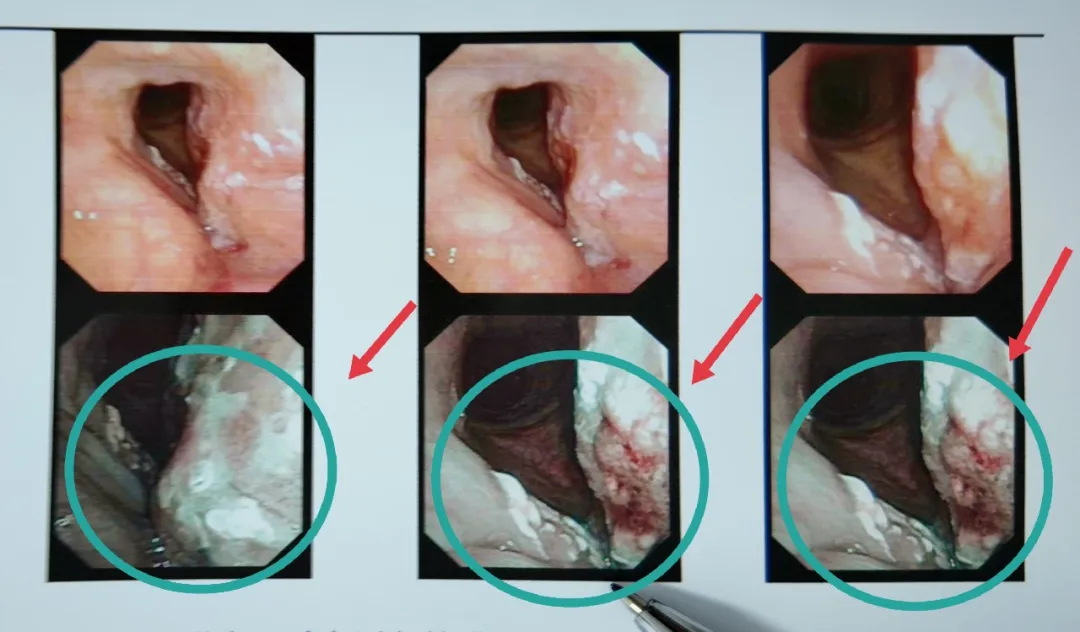
What followed was devastating: electronic laryngoscopy, contrast-enhanced neck CT, and pathological biopsy all confirmed the same diagnosis — laryngeal squamous cell carcinoma. The family was plunged into despair. In the traditional treatment paradigm, a tumor of this extent would typically require a total laryngectomy: complete removal of the voice box, leaving a permanent tracheal stoma in the neck, a lifelong need to wear a tracheostomy tube, and — most devastating of all — the permanent loss of the ability to speak.
"For a man who had spent six decades speaking freely — chatting with friends, calling his grandchildren, simply saying 'good morning' to his wife — the prospect of permanent silence was unimaginable. It wasn't just about losing his voice. It was about losing himself."
Life or Voice? The Critical Treatment Decision
To determine the optimal treatment pathway, the hospital's ENT department convened a multidisciplinary team (MDT) consultation. The key finding that changed everything: the tumor had not yet breached the laryngeal cartilage framework.
This meant there was still a window of opportunity. Rather than a total laryngectomy, the team recommended a far more advanced and technically demanding procedure: supracricoid partial laryngectomy with cricohyoidoepiglottopexy, commonly known as CHEP.
What Makes CHEP Different
CHEP is a voice-preserving surgical technique that achieves the same oncological clearance as total laryngectomy. Instead of removing the entire larynx, the surgeon precisely resects the tumor-bearing portion while reconstructing the remaining structures. The result: the patient keeps their natural voice, swallows normally, and breathes without a permanent neck stoma. But it demands exceptional surgical skill — the larynx is one of the most anatomically complex regions in the human body, dense with delicate nerves, blood vessels, and functional structures that must be meticulously preserved.
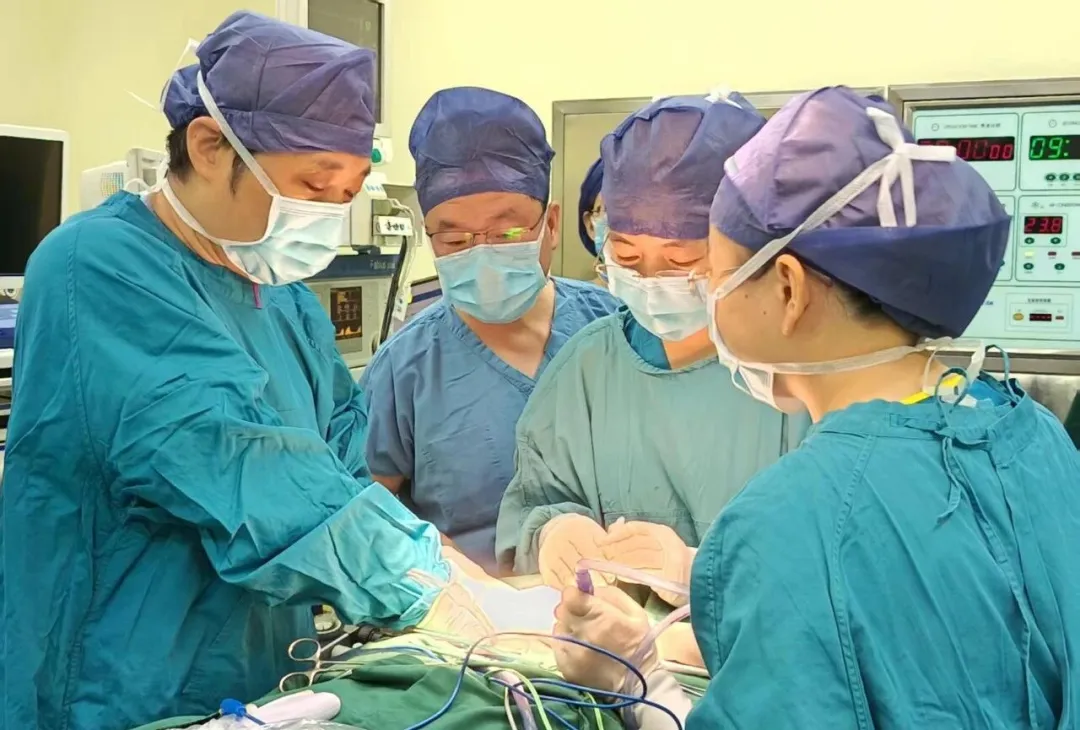
The ENT surgical team approached the procedure with extreme precision. Every millimeter of resection was carefully calculated — the tumor had to be removed with clear margins, yet critical anatomical structures enabling phonation, airway protection, and swallowing had to be preserved. The team successfully completed the CHEP procedure, achieving complete tumor resection while maintaining the patient's essential laryngeal functions.
Expert Warning: Don't Ignore Your Body's Red Flags
Dr. Li Xinlong
Director of ENT Department, Xi'an Chang'an Hospital
Dr. Li Xinlong leads the otorhinolaryngology team at Xi'an Chang'an Hospital, a HYGEIA Healthcare facility. With extensive experience in complex head and neck tumor surgeries including laryngeal cancer, thyroid tumors, and parotid gland tumors, he specializes in functional preservation surgery that prioritizes both oncologic efficacy and post-treatment quality of life.
Dr. Li Xinlong, Director of the ENT department, emphasizes that laryngeal cancer is one of the most common head and neck malignancies and is highly treatable when detected early. The problem is that early symptoms are subtle and easily mistaken for benign conditions.
⚠️ Warning Signs: When to See a Doctor Immediately
If you experience any of the following symptoms, do not dismiss them as "just a sore throat." Seek an ENT consultation promptly.
Unexplained voice changes lasting more than 2 weeks
Noticeable foreign body sensation or obstruction when swallowing
Persistent cough or blood-tinged sputum
High-Risk Groups: Get Screened Annually
The following individuals are at elevated risk for laryngeal cancer and should undergo annual electronic laryngoscopy screening:
- Long-term smokers and heavy alcohol consumers
- Those with a history of gastroesophageal reflux disease (GERD)
- Workers in chemical, petrochemical, or dust-exposed industries
- Anyone over 50 with persistent voice changes
Laryngeal cancer caught at an early stage has an excellent prognosis. The key is — as with all cancers — early detection. Do not let "it's just pharyngitis" thinking delay a diagnosis that could save your voice, and your life.
Concerned About Head & Neck Symptoms?
Whether you are in China or abroad, HYGEIA Healthcare's ENT specialists are available for remote consultation and in-person evaluation. Early screening saves voices — and lives.
Book an ENT Consultation →